Home / Technology

The technology behind the whole picture.

Every piece of equipment in this office exists for one reason — to give you a better answer.

Cone Beam CT
CEREC Same-Day
3D Printing
Digital Scanning
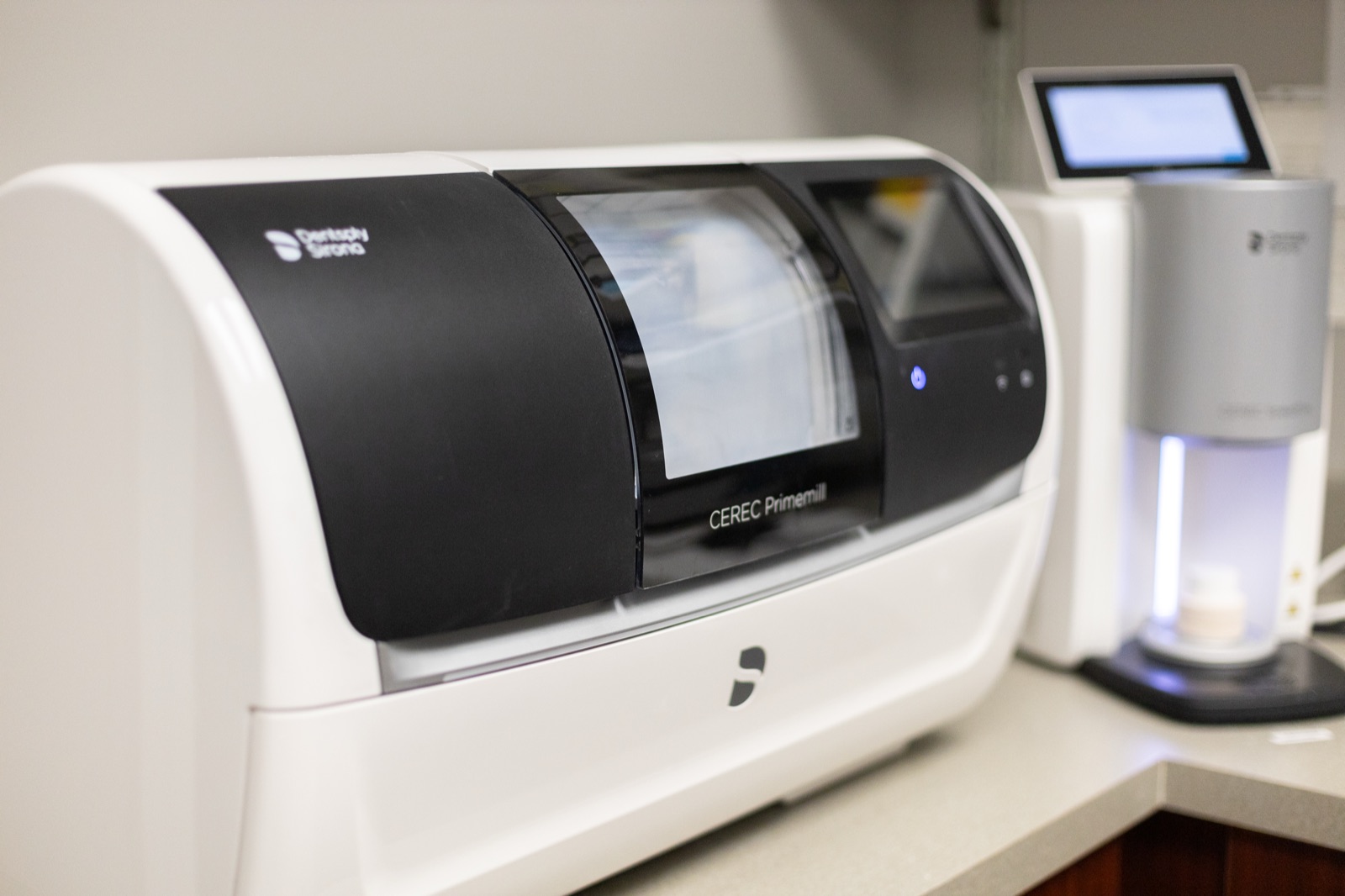
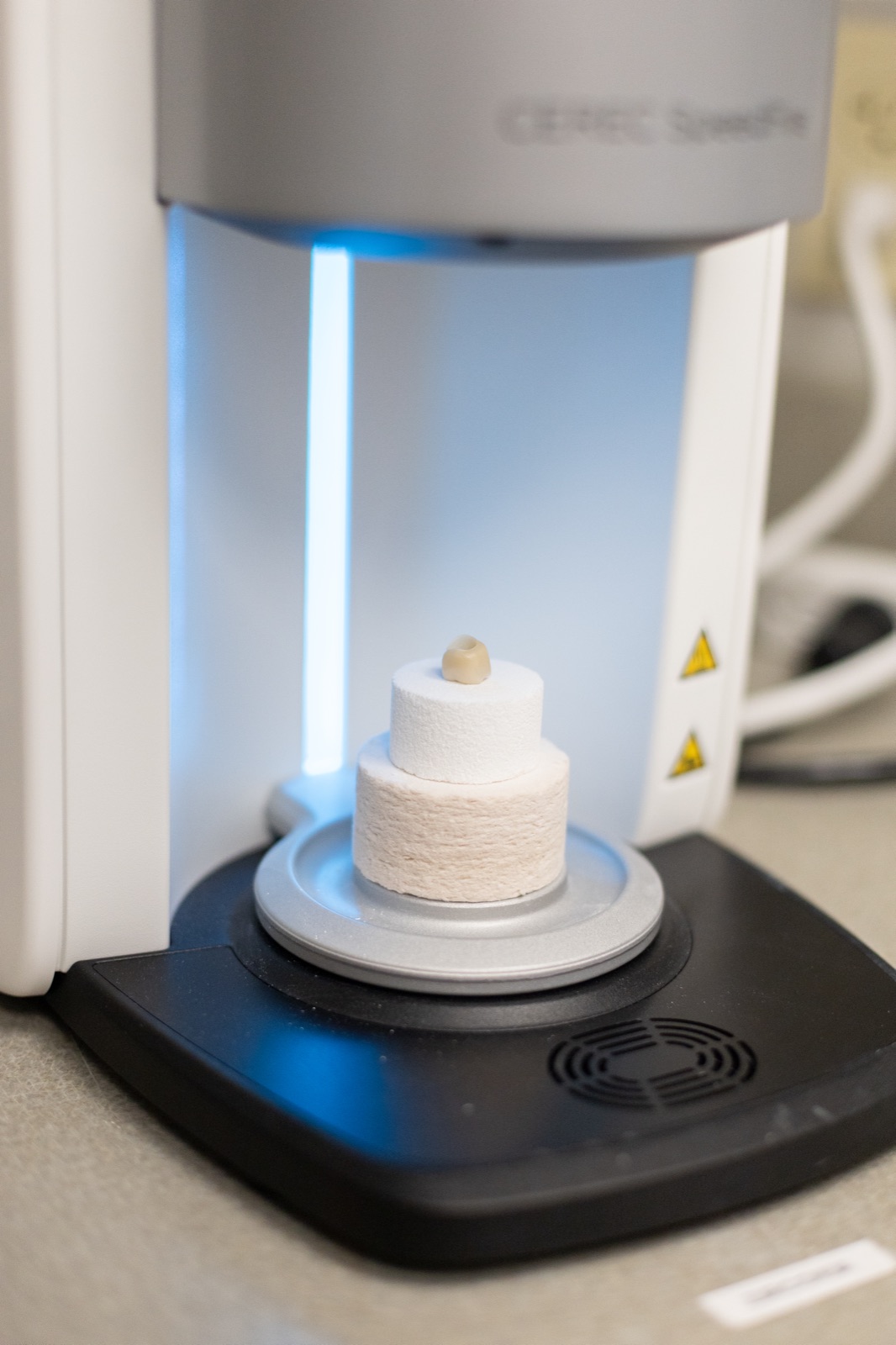
The in-office CEREC milling unit in operation

Technology that serves the diagnosis.

Some dental offices invest in marble walls. Dr. House invests in equipment.

Every piece of dental technology at House Dental was chosen because it helps her see more, plan more precisely, and deliver better outcomes — not because it looks impressive in a photo, not because a sales rep recommended it. Because it changes what she can do for you.

This isn't a specs page. You don't need to know the model numbers. What you need to know is what each tool means for your care — what it finds, what it prevents, and why it matters.

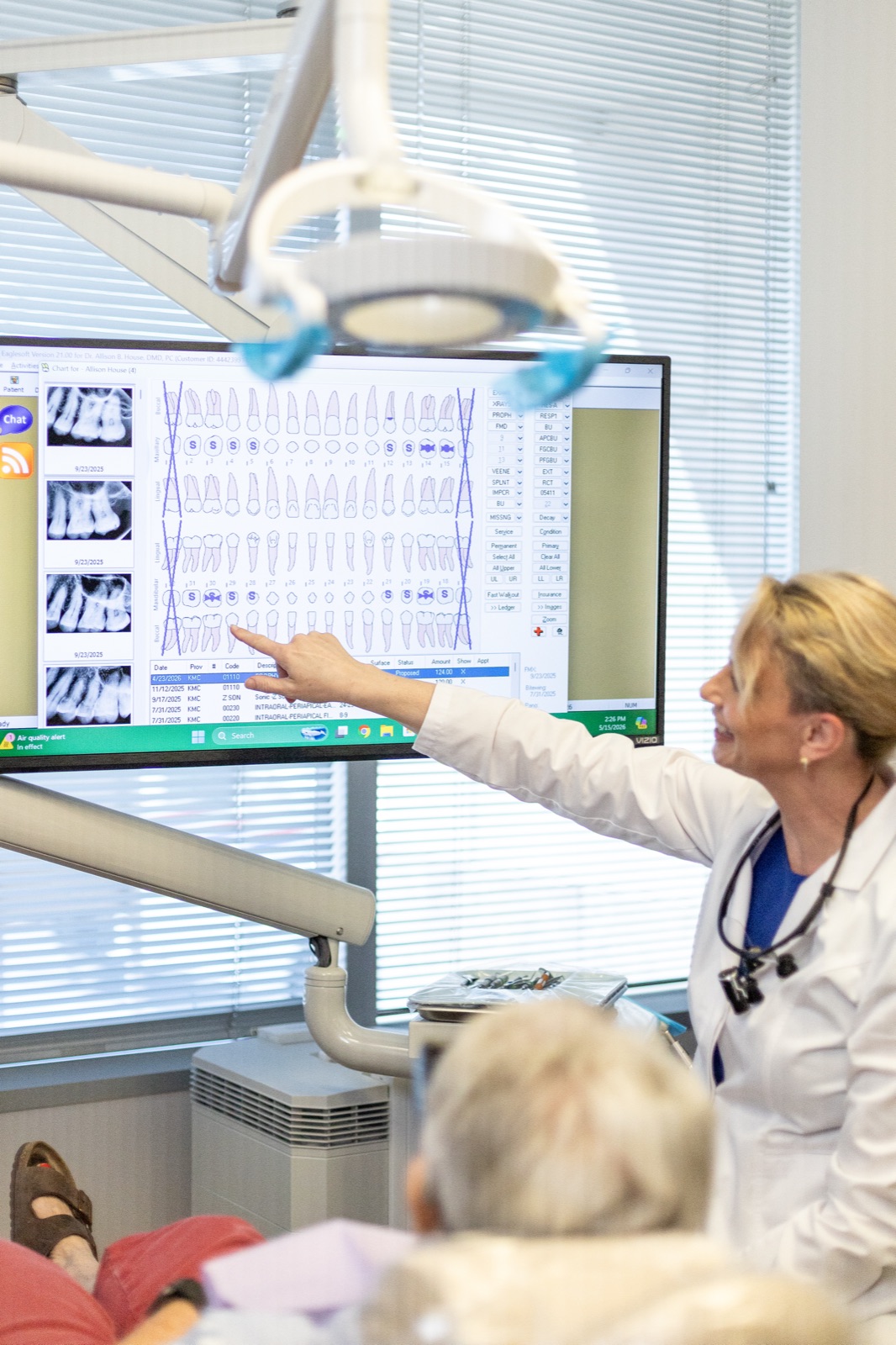
Dr. House reviewing 3D imaging at the operatory computer

Four pieces of equipment. One purpose.

Each tool changes what Dr. House can find, plan, or build for you. Here's what each one does — and why it matters.

Tool 01

Cone Beam CT. 3D imaging that sees what X-rays cannot.

A traditional dental X-ray is flat — one angle, three-dimensional structures compressed into a two-dimensional image. That's fine for finding a cavity. It's not enough for planning an implant, diagnosing a jaw disorder, or finding a tooth embedded in your sinus.

Dr. House's cone beam CT scanner creates a full three-dimensional image of your jaw, teeth, sinuses, and surrounding bone. In a single scan that takes less than a minute, she can see:

  • Bone density and volume — critical for knowing whether your jaw can support an implant.
  • Sinus cavities — to identify infections, obstructions, or teeth that have migrated into the sinus.
  • Nerve pathways — so implants and surgical procedures avoid the nerve entirely.
  • Joint structure — the shape and position of your jaw joints, essential for TMJ diagnosis.
  • Hidden teeth — impacted or embedded teeth that don't appear on standard X-rays.

One of Dr. House's most striking cases involved a man with chronic sinus pain who'd been to Mayo Clinic and multiple specialists. A cone beam CT revealed wisdom teeth embedded in his sinus. The problem wasn't mysterious — it required someone to look in the right place with the right tool.

See Implant Planning
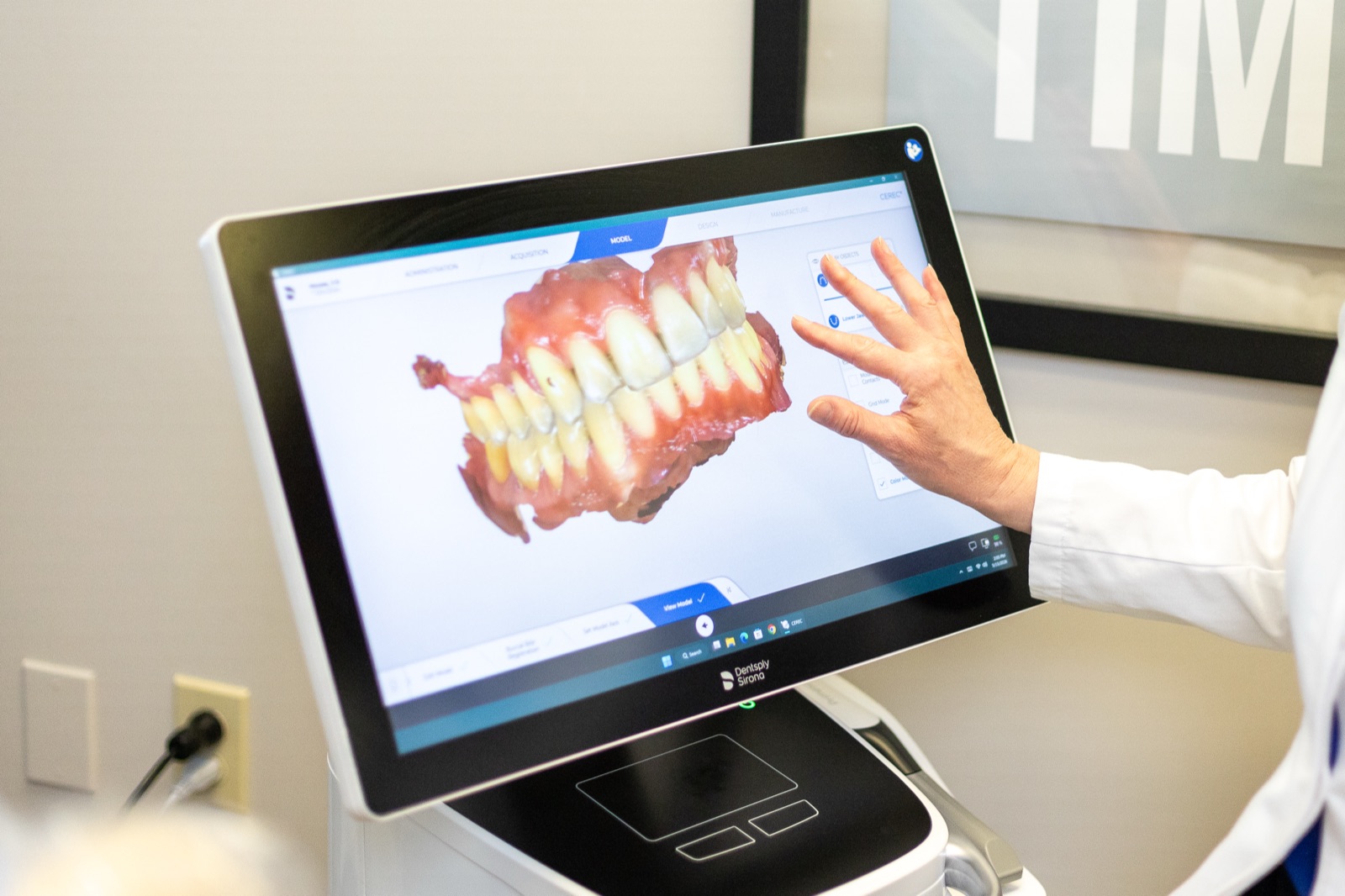
A 3D scan of the jaw displayed on the operatory monitor
Tool 02

CEREC same-day crowns. One visit. One crown. Done.

At most dental practices, getting a crown takes two visits, a temporary, and two to three weeks of waiting on a lab. At House Dental, Dr. House designs and creates your crown right here, in one visit.

  1. Digital scan. No putty impression, no gagging, no mess. A small camera captures a precise 3D model of your tooth.
  2. On-screen design. Dr. House designs the crown herself, shaping it to match your bite and your surrounding teeth.
  3. In-office milling. The CEREC machine carves the crown from a solid block of ceramic while you wait.
  4. Same-day placement. The finished crown is bonded to your tooth. No temporary. No second visit. No weeks of waiting.

Most Phoenix dental practices still send their crown work to an outside lab. Dr. House does it in-house because she can control every detail — the shape, the fit, the way it meets the opposing tooth. When she designs the crown herself, she knows it will work with your bite, not against it.

Crowns & Bridges
Ceramic being processed in the in-office milling unit
Tool 03

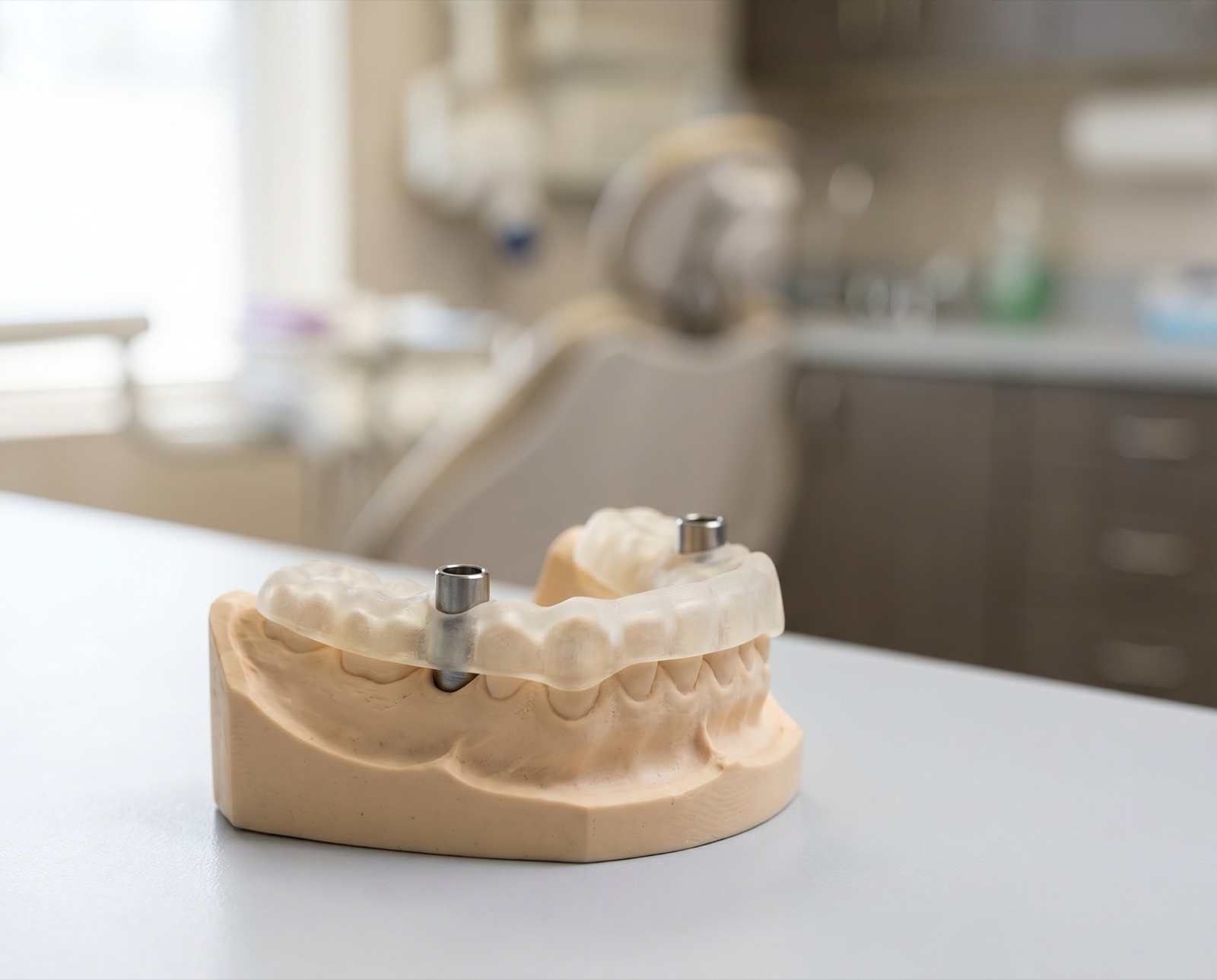
3D printing. Surgical guides designed by your dentist.

Before placing an implant, Dr. House needs to know exactly where it should go. Not approximately. Exactly. The angle, the depth, the position relative to your nerve and your sinus and your neighboring teeth.

She designs her own surgical guides using data from your cone beam CT scan and digital impressions. The 3D printer produces a custom guide that fits over your teeth and directs the implant into precisely the right position.

This isn't guesswork. It isn't freehand placement. It's a custom-built tool, designed by the dentist who diagnosed you, based on the data she collected herself. That level of control is what separates a predictable outcome from a hopeful one.

Dental Implants
A 3D-printed surgical guide with metal sleeves seated on a dental model
Tool 04

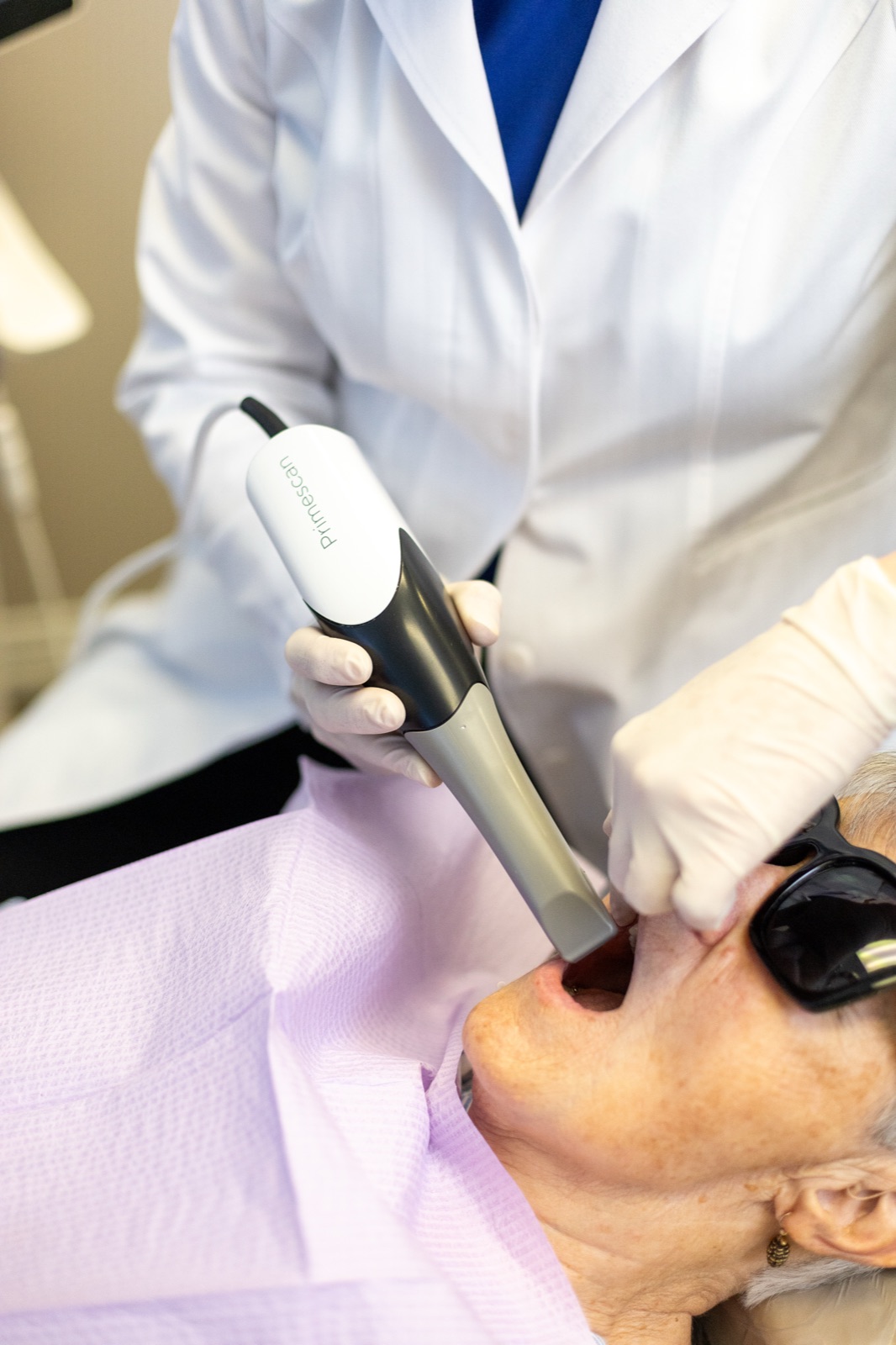
Digital scanning. No more putty. No more gagging.

If you've ever had a dental impression taken with putty trays — the kind where they fill a tray with gooey material and press it against your teeth for two minutes while you try not to gag — you already know why digital scanning matters.

Dr. House uses a small handheld scanner that captures a precise 3D model of your teeth in minutes. No putty. No gagging. No distortion from material that shifted while it was setting. The result is a digital model that's more accurate than a traditional impression and available instantly.

Digital scans drive everything — planning crowns and bridges, designing orthodontic treatment, fabricating surgical guides. Faster, more comfortable, and more precise. For patients who've avoided dental care partly because the experience was unpleasant, they remove one more barrier.

Your First Visit
A handheld intraoral scanner capturing a digital impression

Money goes into equipment, not marble walls.

The office on Camelback Road is modern, clean, and well-equipped. It's not a spa. There are no waterfalls in the lobby or diamond fixtures in the ceiling. What there is, though, matters.

A cone beam CT scanner that finds problems invisible on standard X-rays. A CEREC system that builds your crown while you wait. A 3D printer that produces surgical guides designed from your own data. Digital scanners that eliminate the discomfort of traditional impressions.

Every piece of equipment exists because it changes outcomes. It helps Dr. House see more, plan better, and deliver results that last. That's where the investment goes. That's what this kind of care requires.

See the technology in person.

The best way to understand how this changes your care is to experience it. Your first visit includes a full diagnostic workup with cone beam CT, digital scans, and thorough imaging.

Call us (602) 954-1217
Mon–Thu · 7:00 AM – 4:00 PM
Arcadia, Phoenix