You have been to your doctor. Maybe an ENT. Maybe a specialist. The pain, the clicking, the locking keeps coming back. Dr. Allison House looks at the jaw connection most of those appointments were never built to find.
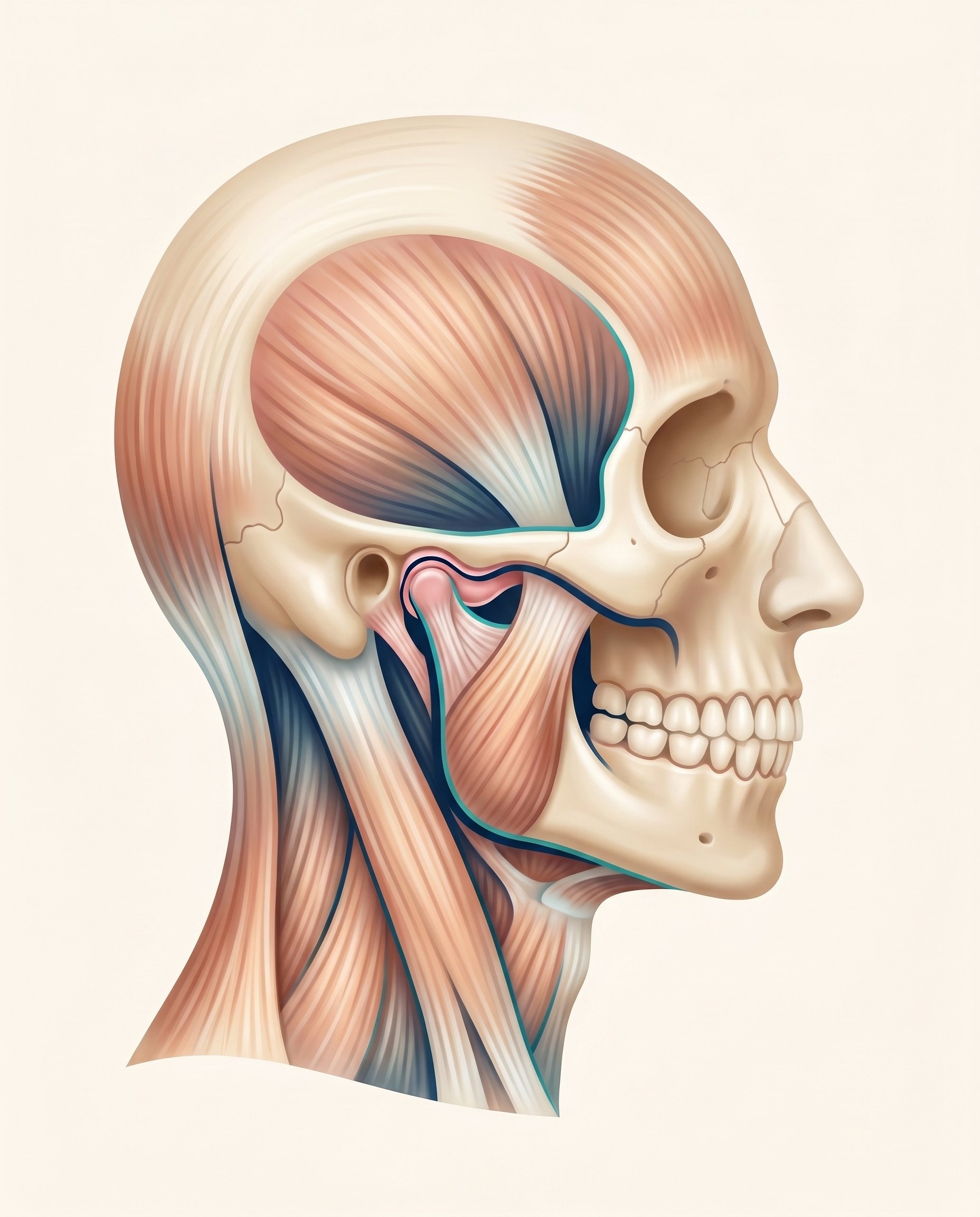
Your jaw joints are some of the most complex hinges in your body. You use them every time you speak, chew, yawn, or swallow. When something goes wrong, the pain rarely stays in one place. It can show up in a surprising number of ways.
If any of these sound familiar, a thorough diagnostic visit is the step that usually makes the rest make sense.
Jaw pain is rarely random. It follows specific patterns tied to how the jaw moves, how the teeth come together, and how the joint itself is aging. The pain shows up in the jaw, the head, the ears, the teeth because every one of those structures connects to the same two small joints.
At House Dental in Arcadia, Phoenix, Dr. Allison House evaluates the real drivers behind chronic jaw pain that has already been worked up without resolution. The goal is a diagnosis that actually fits your pattern, so the plan is built on something real.
Conventional care often stops at a night guard or a prescription. Our approach looks at the joint, the bite, the muscles, and the airway together, because that is where the answer usually lives.
When the teeth do not meet evenly, the jaw compensates every time you chew, speak, or swallow. The muscles working hardest to make that happen are the ones that carry the pain.
Inside each jaw joint is a small disc that cushions the motion. When it slips off-center, the jaw clicks as it catches and releases. Left alone, a clicking disc often progresses to locking.
Grinding forces can exceed daytime chewing by several multiples. Eight hours of that pressure strains the joint, wears the teeth, and sends pain into the temples and the base of the skull.
Many patients clench during the day without realizing it, especially under stress. Sustained muscle tension around the jaw produces facial pain, temple pressure, and the morning soreness most people blame on sleep.
Tooth loss, old dental work, or years of grinding can move the jaw into a position where it never fully rests. The muscles stay tight, the joint stays compressed, and the pain follows.
Crowns, fillings, or dentures that sit too high or too low disrupt the bite. The jaw muscles fire constantly to avoid the interference, and the joint absorbs the difference.
When the airway is partially blocked, the brain signals the jaw to move forward to reopen it. That repeated effort creates the same clenching and grinding pattern that drives jaw pain.
Emotional stress amplifies whatever mechanical problem is already present. The jaw is one of the first places the body stores tension, and jaw pain is often the receipt.
Jaw pain is a puzzle. The pain is in one place. The cause is usually somewhere else. A proper diagnosis takes time, the right imaging, and the willingness to look at the whole picture.
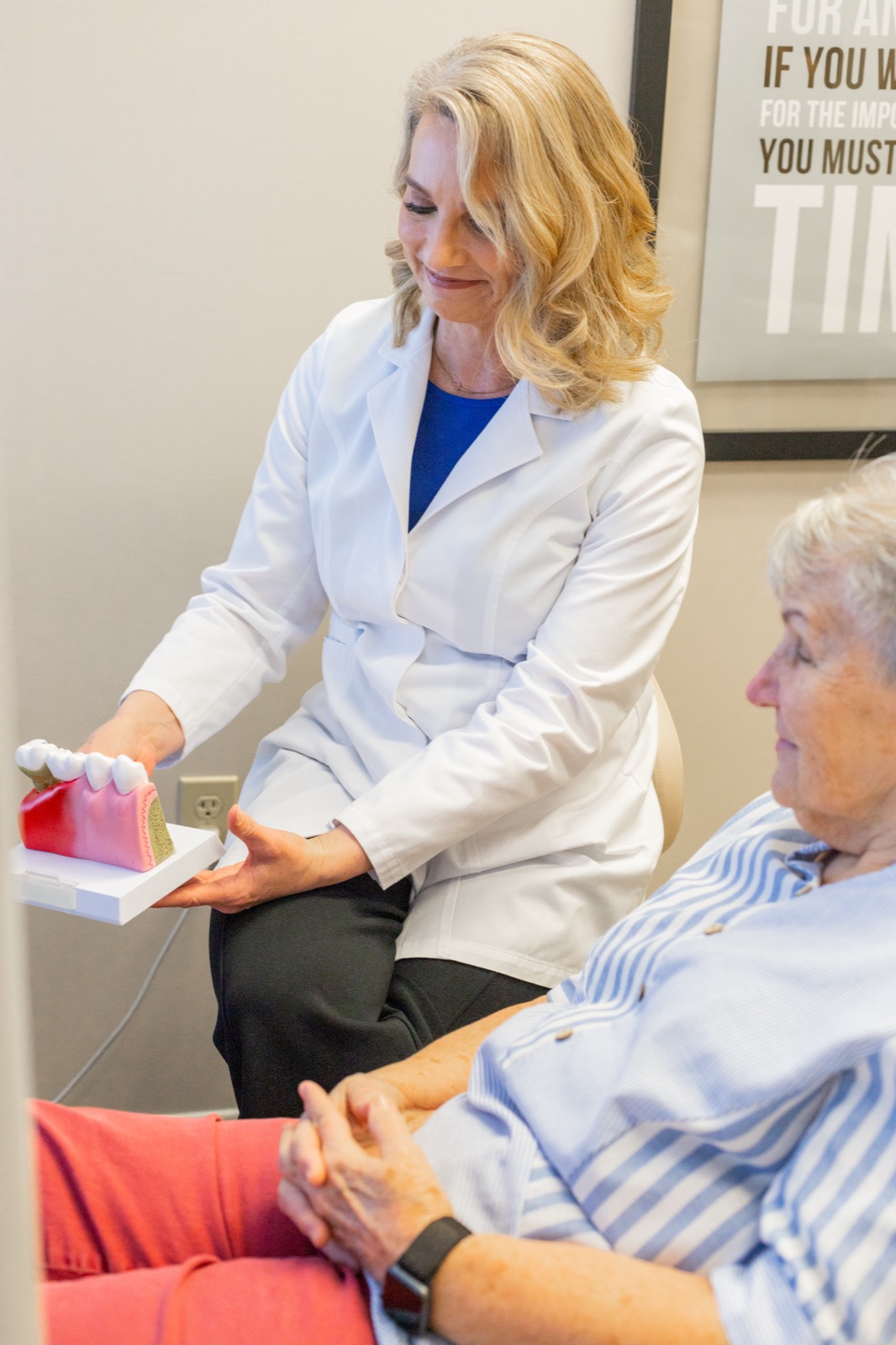
Your first visit begins with a detailed conversation about your symptoms, your sleep, your stress, your medications, and any prior treatment. Dr. House collects cone beam CT imaging, full-series X-rays, digital scans, and photographs. She checks joint sounds, range of motion, muscle tenderness, and bite balance.
She studies the data to identify where the problem is actually coming from, not just where it is being felt. Jaw position, bite alignment, joint condition, worn teeth, and signs of nighttime grinding all get reviewed together. You leave understanding why, in plain language, before anything begins.
Treatment often begins with custom splint therapy, a therapeutic device built from your diagnostic data and adjusted as the jaw responds. From there, Dr. House may recommend bite correction, restorative work, or a sleep evaluation based on what the data shows. There is a right moment for everybody, and a right pace.
Every plan is individualized. These are the services most often paired with a diagnostic workup for chronic jaw pain.
When jaw position, disc condition, and bite alignment are the root cause of clicking, locking, grinding, and facial pain, TMJ treatment is usually the first phase.
When years of jaw misalignment have worn down or broken multiple teeth, rebuilding the bite in its new, stable position is how the result lasts.
If your question is not here, call us. We would rather talk it through than sell you on a visit.
Yes. When the bite is off or the jaw is out of position, the muscles, joints, and teeth all absorb stress they were never meant to handle. That stress shows up as pain, clicking, grinding, and broken teeth. A thorough dental evaluation often uncovers what medical exams miss.
Jaw pain crosses medical specialties. Your doctor looks at one piece, an ENT at another, a general dentist at the teeth. Most practices are not structured to look at the whole picture, including the jaw, the bite, the joints, and how everything works together. That takes a different kind of exam.
No. Jaw problems that go untreated often get worse over time. A jaw that clicks today may lock tomorrow. Teeth under stress keep wearing, chipping, and breaking. The sooner the underlying cause is found, the more options you have.
A night guard shields the teeth from grinding damage. It does not address why you are grinding. If the jaw is out of position or the bite is unbalanced, the underlying problem keeps progressing even while the teeth are protected. TMJ treatment is the full plan, not just the appliance.
Your first visit is two hours. Dr. House collects imaging, scans, photos, and a full medical history review. She examines how your jaw moves, how your teeth come together, and where the stress is coming from. You will leave with a clear picture of what is happening and what can be done about it.
Coverage varies by plan. Some dental and medical plans cover portions of TMJ and jaw-pain evaluation, including imaging and splint therapy. House Dental accepts CIGNA and Aetna, and financing is available through CareCredit and Proceed Finance. See insurance and financing details.
A two-hour first visit gives Dr. House the time to find what is driving your jaw pain and build a plan that finally addresses the source.