Restorations That Hold
Crowns and implants placed on a corrected bite are far less likely to fail.
Adult orthodontics at House Dental isn't cosmetic straightening for teenagers. It's targeted movement so your bite functions, your restorations hold, and your jaw is supported.
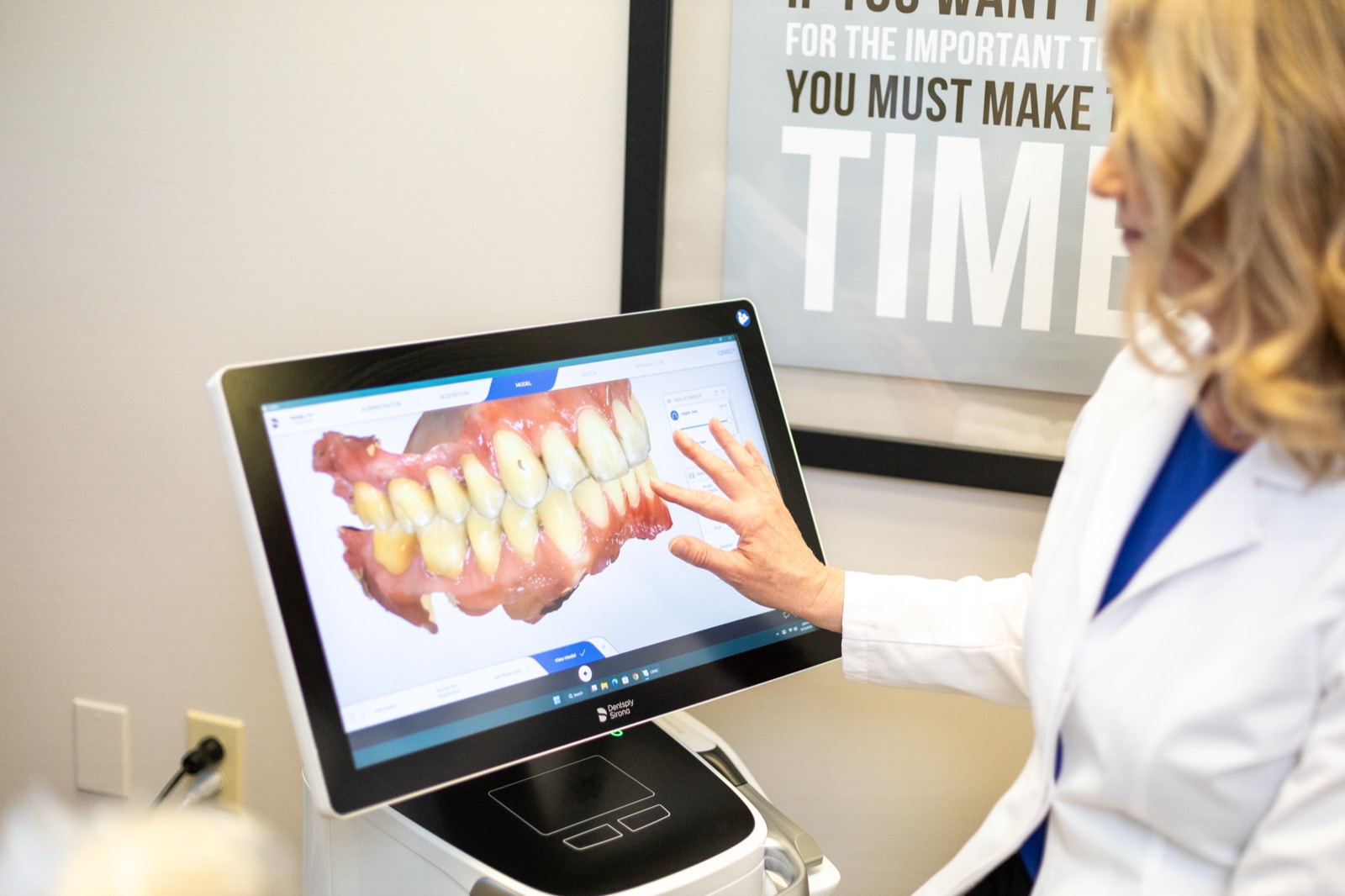
If any of these sound familiar, a thorough evaluation is the right first step.
Adult orthodontics at House Dental is targeted, functional, and almost always part of something larger. We move teeth into position so an implant can be placed. We correct a bite that's contributing to TMJ pain. We align teeth before a full-mouth reconstruction so the new restorations have a stable foundation. Sometimes we straighten teeth purely for appearance — but even then, Dr. House evaluates the bite first.
Adults can be treated at any age. Healthy teeth respond to controlled forces in your 50s, 60s, and beyond — not the same way they do at 14, but predictably and safely. Treatment uses clear aligners or fixed appliances depending on the case. The decision isn't about what's most marketable. It's about what your specific bite needs to land in the right place.
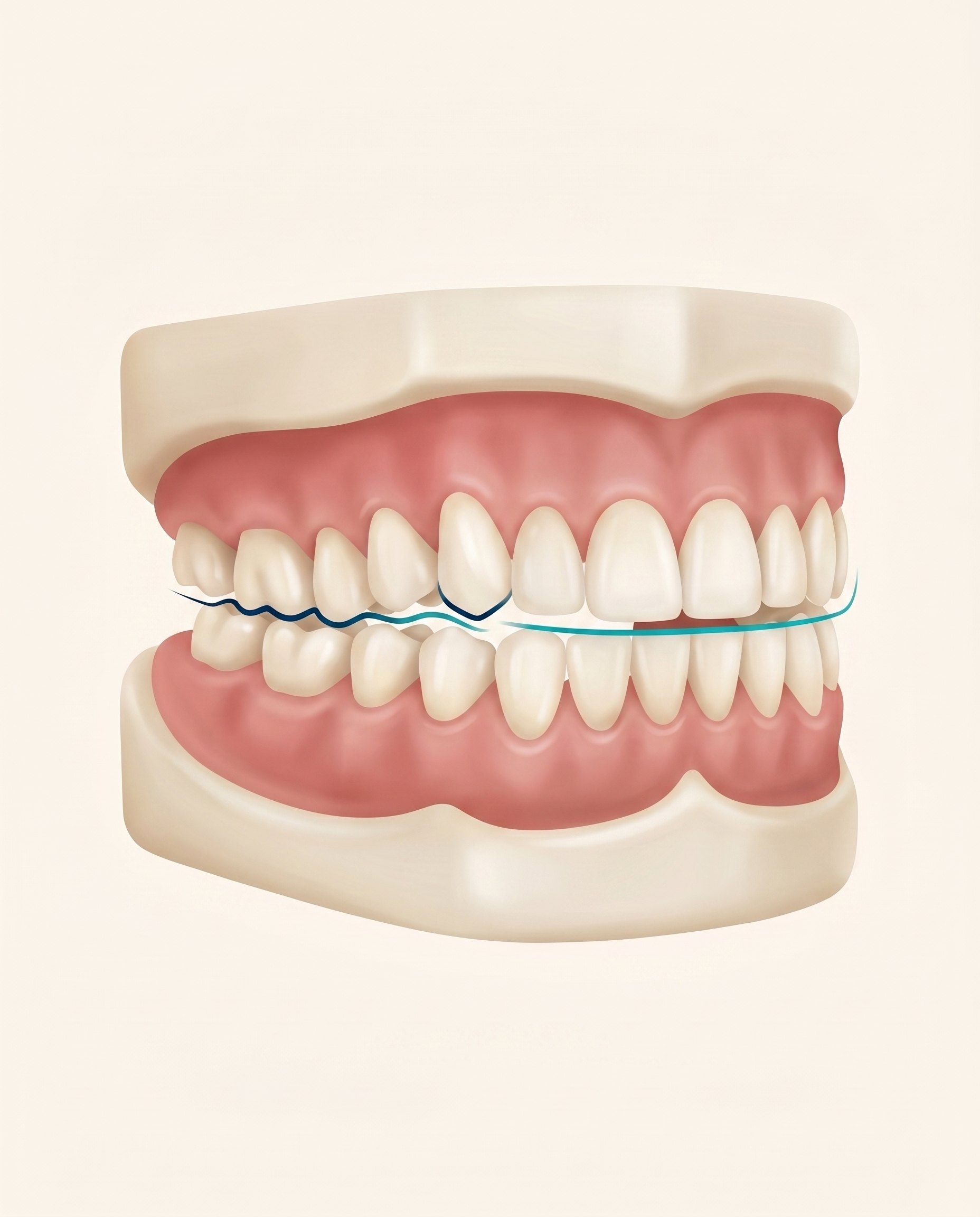
This patient came in with crowded, chipped upper teeth and an uneven bite. After a diagnostic-first plan and functional tooth movement, the teeth sit where they belong — supporting a healthier bite, not just a straighter smile.
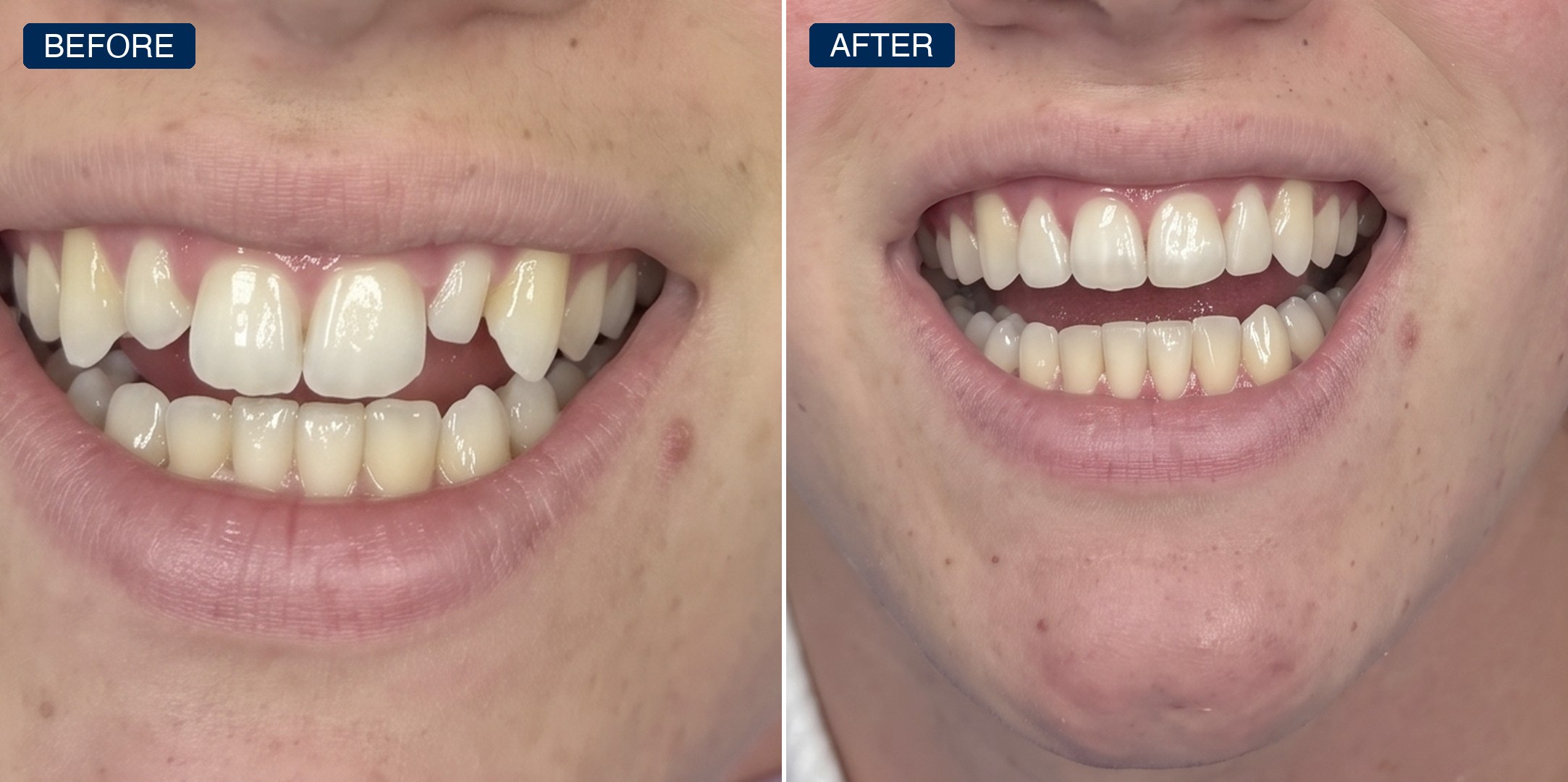
Beyond appearance — here's what changes when teeth land where they're supposed to be.
Crowns and implants placed on a corrected bite are far less likely to fail.
An aligned bite distributes force evenly — less pressure on the joint.
Straight teeth are easier to brush, floss, and maintain — less decay over time.
Stops uneven wear from teeth hitting at the wrong angles.
A natural byproduct — not the primary goal, but a real one.
Adult orthodontics has historically been overlooked — especially for patients over 60. Here's what makes adult treatment different, and why House Dental treats it as a normal part of comprehensive care.
Patients in their 30s and 40s often need orthodontics to prepare for restorative work — closing a gap before an implant, correcting a bite that's about to demand a crown. Treatment fits around busy lives with clear aligners when possible.
Schedule a Consultation
Decades of wear and shifting often catch up in this window. Orthodontics here is usually about correcting the bite to support TMJ treatment, restoring teeth that have moved out of alignment, or stabilizing the foundation before larger restorative work.
See TMJ Treatment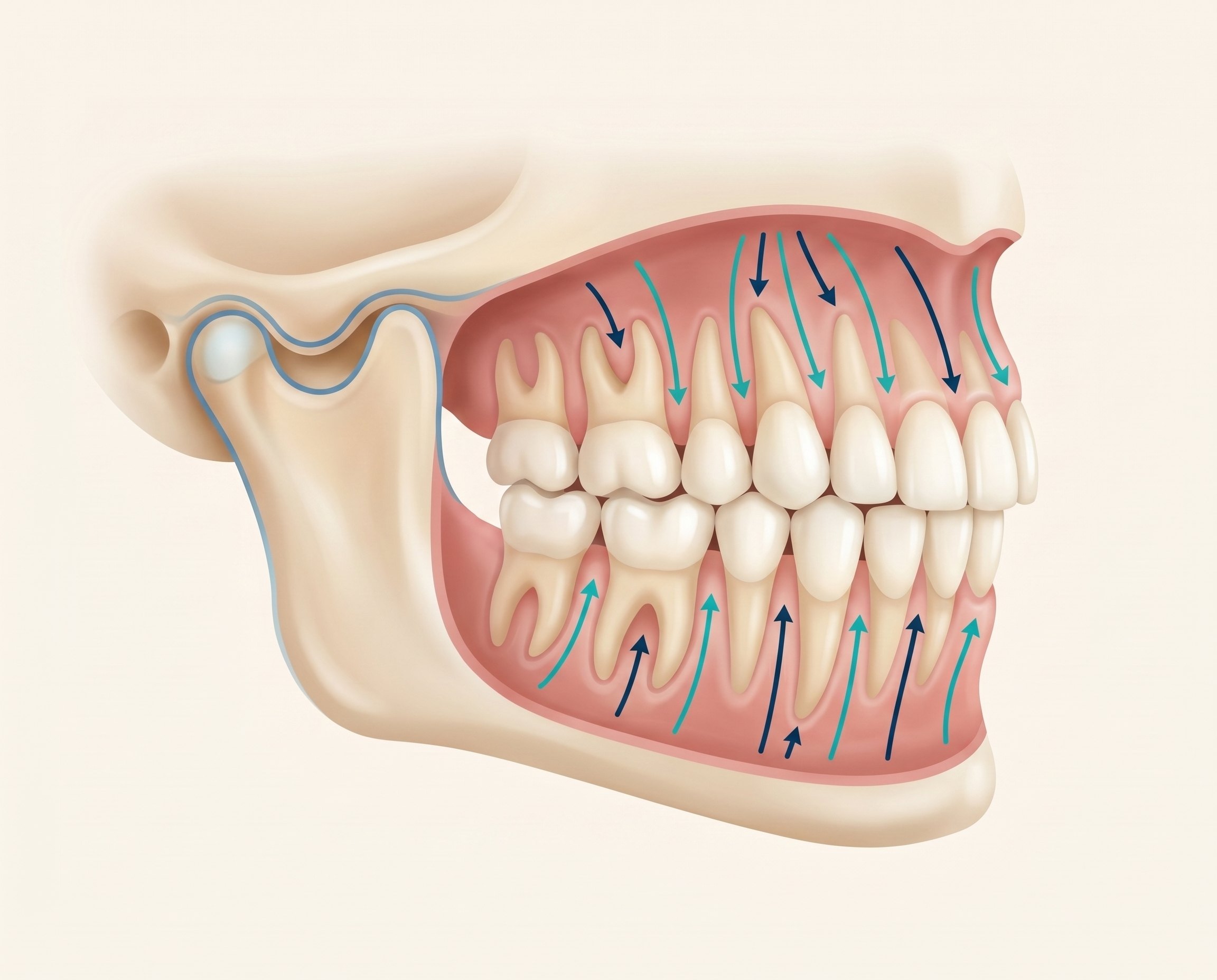
Healthy teeth move at any age — just more carefully. Dr. House evaluates bone density, gum health, and overall medical history before any orthodontic plan in this age range. When the foundation supports it, results are real and durable. When it doesn't, she says so.
Full-Mouth Reconstruction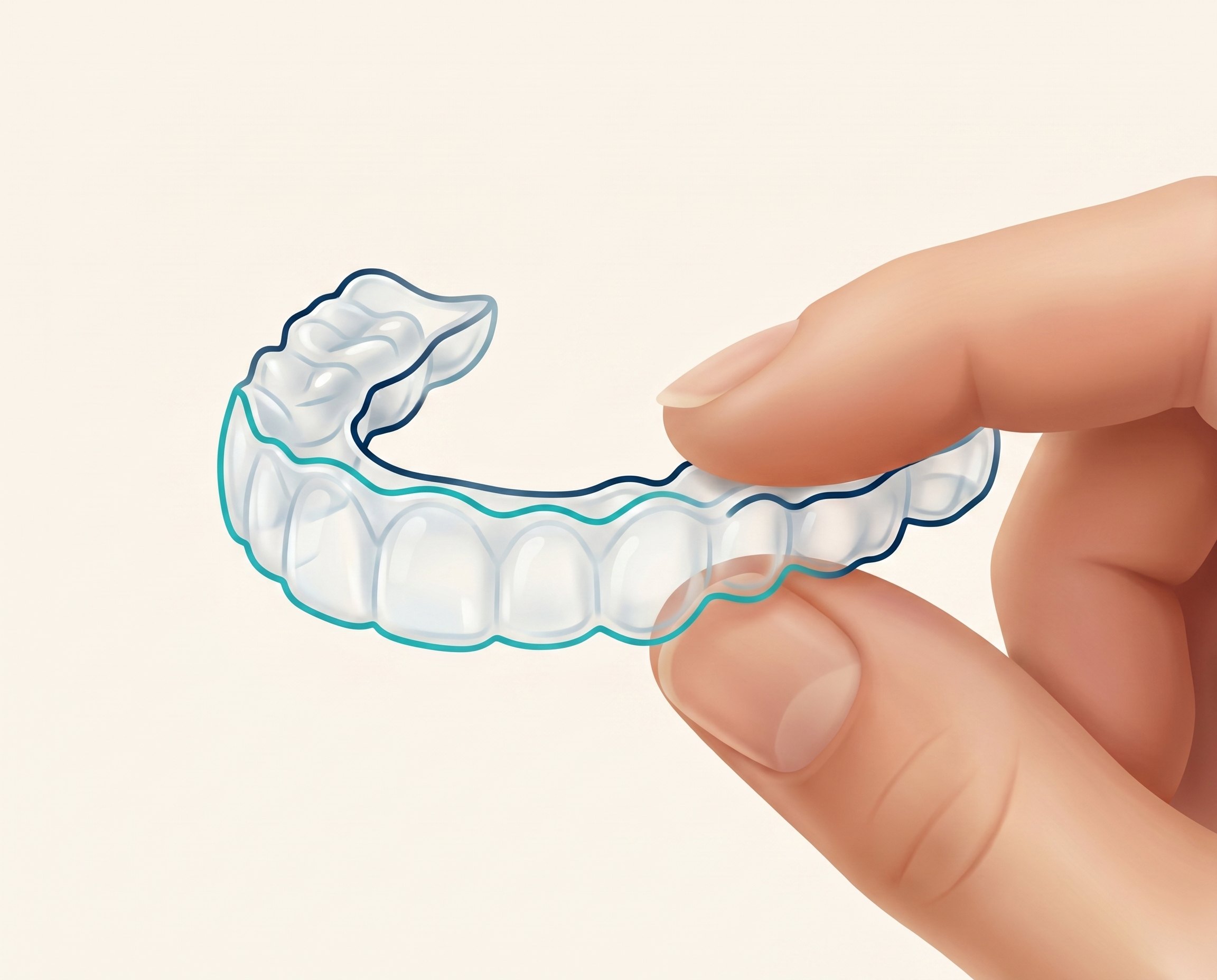
Your two-hour first visit includes cone beam CT, full-series X-rays, digital scans, and a complete bite analysis. Dr. House evaluates how your teeth come together — not just how they look.
Dr. House maps the movement needed for your specific case. Whether the goal is preparing for an implant, supporting TMJ treatment, or correcting a bite, the plan starts with a clear endpoint.
Clear aligners are designed and fabricated from your digital scans. Fixed appliances are bonded in office. You leave with the appliance you'll be wearing — and clear instructions on care and timeline.
Teeth move on a planned schedule. Dr. House sees you every six to eight weeks to monitor progress, swap aligners or adjust appliances, and confirm the bite is moving in the planned direction.
Teeth want to drift back. A retainer holds the new position while bone remodels around the corrected alignment. Dr. House builds a retention plan into every case — because the result has to last.
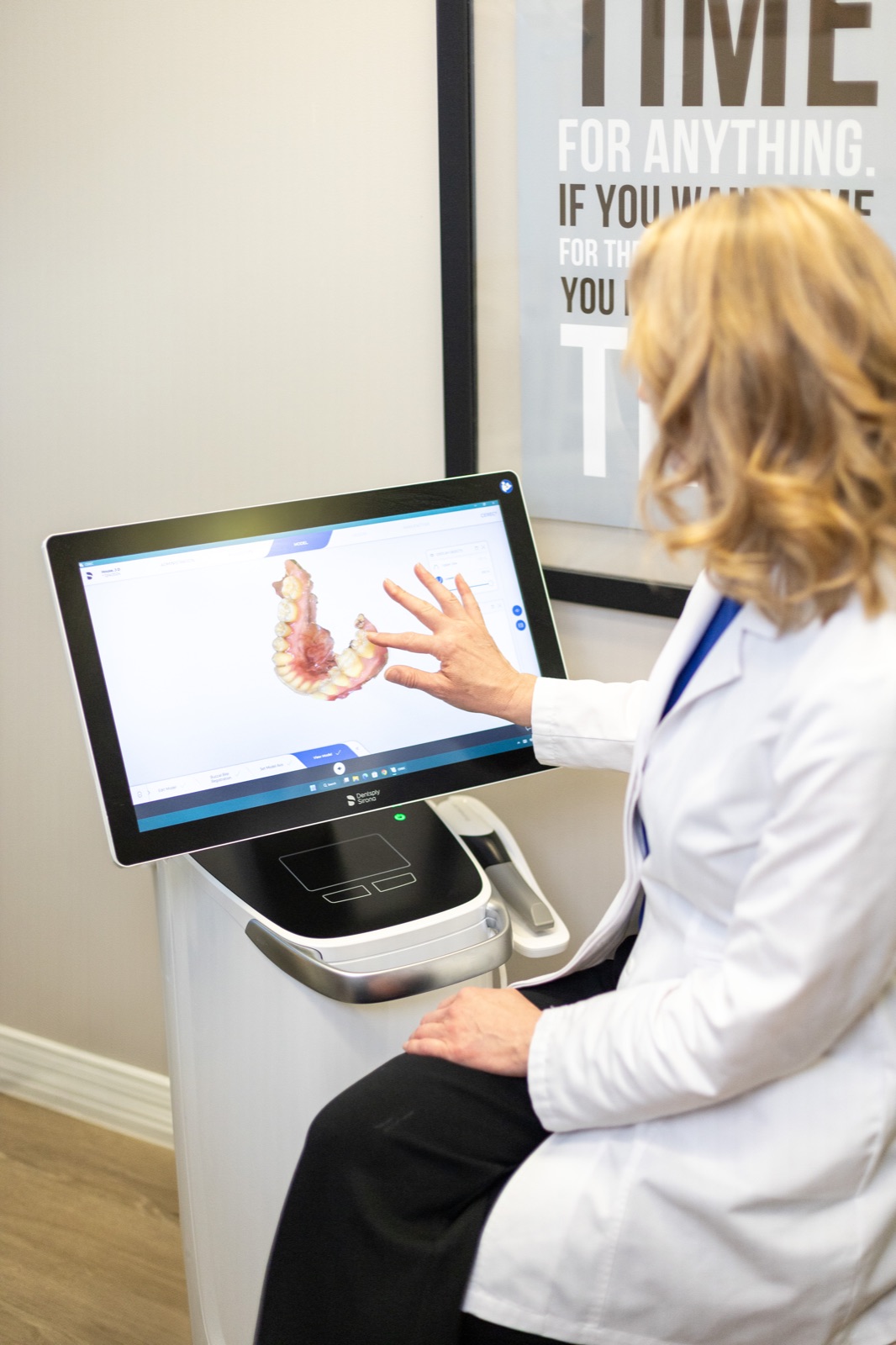
Functional orthodontics integrated into a full restorative practice — not aligner marketing.
Dr. House plans orthodontics inside the bigger picture of bite, jaw, and restoration. She's not chasing volume on aligners. She's moving teeth into position so the bite works long-term — whether the case is one tooth that needs to make room for an implant, or a comprehensive bite correction to support a full reconstruction. Adults of any age, evaluated honestly, treated carefully.
Four things that separate functional orthodontics from cosmetic aligner mills.
Dr. House plans tooth movement around bite function and the larger restorative picture. Aesthetics improve as a byproduct, but they're not the only goal — and that distinction is what makes the result hold.
Many practices won't take adult orthodontic cases over 60. Dr. House evaluates each patient on bone health, gum health, and medical history — not age alone. When the foundation supports treatment, treatment works.
Most adult orthodontics here is a phase inside a larger plan — preparing for an implant, supporting TMJ treatment, or aligning teeth before a full-mouth reconstruction. Dr. House plans every phase together.
Clear aligners or fixed braces — the choice depends on what your specific bite needs. Dr. House recommends what works, not what generates the highest margin.
I'm 67 and was told by two other practices I was too old for orthodontics. Dr. House evaluated my bone density and bite, said it was a good case, and built a 14-month aligner plan. Eighteen months later my implant is in, my bite works, and my front teeth look like mine again.
Verified Google ReviewMy orthodontics was part of a TMJ plan. Dr. House moved my teeth into the position the splint had stabilized me in. Without it, the bite would have shifted back. Three years out, no headaches.
Verified Google ReviewStraightforward answers to the questions we hear most often.
Adults of any age can benefit from orthodontic treatment. Healthy teeth move at any age — the difference is that adults often need orthodontics for functional reasons (bite alignment, preparing for implants, supporting TMJ treatment) rather than purely cosmetic ones. Dr. House regularly treats patients in their 50s, 60s, 70s, and beyond.
Most adult orthodontic plans take 12 to 24 months. Targeted minor movement (closing a gap, straightening one or two teeth) can be done in 6 to 9 months. Comprehensive bite correction tied to a larger restorative plan may take longer. Dr. House provides a clear timeline at the diagnostic visit.
Cosmetic orthodontics straightens teeth for appearance. Functional orthodontics moves teeth into the position required for the bite to work — so chewing distributes force evenly, restorations hold long-term, and the jaw joint is supported. Dr. House practices functional orthodontics. Aesthetics often improve as a byproduct, but the goal is stability.
It depends on the case. Clear aligners (like Invisalign) work well for many adult cases — they're discrete and removable. Fixed braces give the orthodontist more control for complex movements. Dr. House recommends what fits your specific bite, not the most marketable option.
Adult orthodontic treatment at House Dental typically ranges from $4,000 to $8,000 depending on the complexity, the chosen appliance, and the duration. CIGNA and Aetna may cover a portion. Financing is available through CareCredit and Proceed Finance.
Orthodontics is often a phase inside a larger plan — moving teeth into position before placing an implant, correcting a bite that's contributing to TMJ pain, or aligning teeth to support a full-mouth reconstruction. Dr. House plans these phases together so each step protects the next.
House Dental is at Camelback and 32nd Street — just east of the Biltmore and a few minutes from Paradise Valley and Scottsdale.
A Patient Story
Whether you need orthodontics as a phase of a larger restorative plan, or you just want to know if adult treatment is even an option for you, the first step is the same. A diagnostic visit that looks at your bite, your bone, and the whole picture — and gives you an honest answer.