Early Detection Saves Lives
Stage 1 survival is 80%+. Stage 4 is under 40%. Timing is everything.
Oral cancer caught early has a 5-year survival rate of over 80%. Caught late, it drops to 39%. Dr. House screens at every comprehensive visit.
If any of these sound familiar, don't wait for your next cleaning — call us.
Oral and oropharyngeal cancers kill more than 10,000 Americans every year — more than cervical cancer, more than Hodgkin's lymphoma. Early detection is the single biggest factor in survival: caught at stage 1, the five-year survival rate is over 80 percent. Caught at stage 4, it drops below 40 percent. The problem is that oral cancer often causes no pain or obvious symptoms in early stages — which is why screening matters.
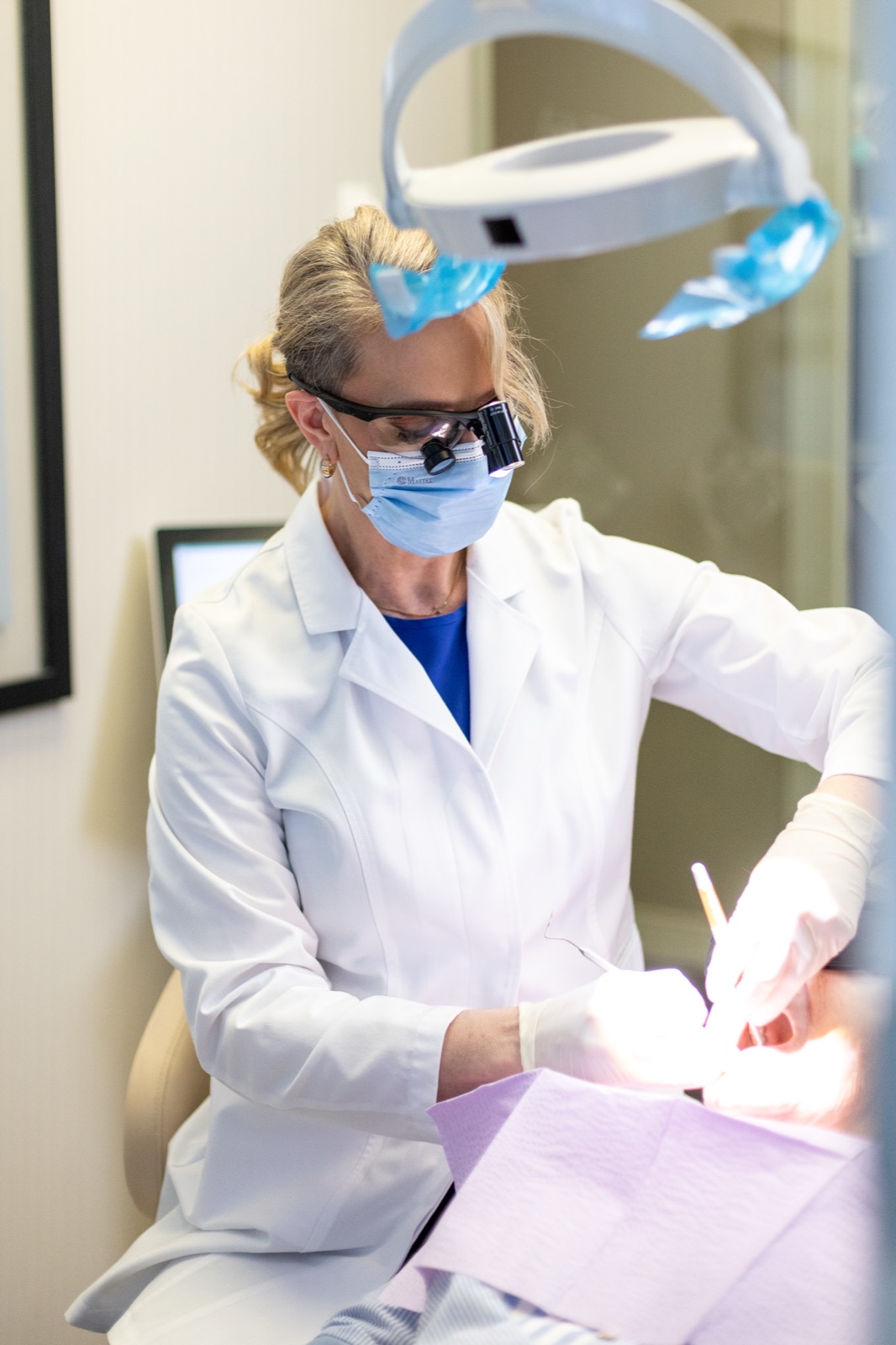
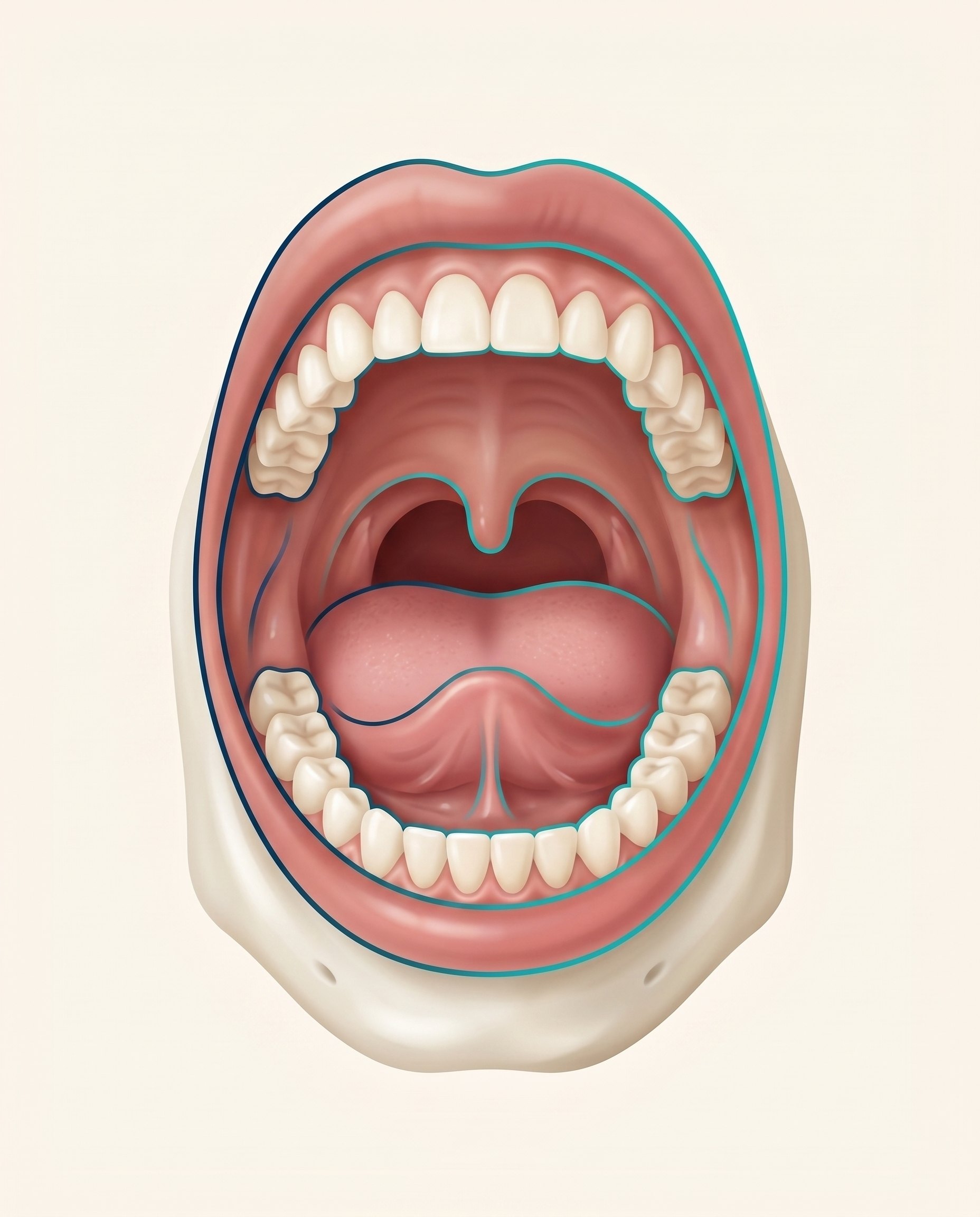
Dr. House includes a thorough oral cancer screening at every comprehensive exam. It takes about five minutes. She examines the lips, tongue (including underneath), cheeks, gums, palate, and throat, then feels for lymph node changes in the neck. She's trained to catch the subtle tissue changes that can indicate early cancer. Over 24 years, she's caught things that shouldn't have been caught in a general practice — and referred patients to the specialists who ultimately diagnosed and treated them.
Here's what a systematic oral cancer screening at every visit actually changes.
Stage 1 survival is 80%+. Stage 4 is under 40%. Timing is everything.
Built into every comprehensive visit — no extra appointment needed.
Visual and tactile only. No biopsy unless something is found.
Most findings are benign. Having someone check is the point.
If something needs a specialist, Dr. House handles the handoff directly.
Roughly 25% of oral cancer patients have no identifiable risk factors. That's why screening is universal, not risk-based. Here are the factors that raise risk above baseline.
Cigarettes, cigars, pipes, chewing tobacco, and snuff all raise oral cancer risk — often dramatically. The risk compounds with years of use. Quitting reduces risk over time but does not eliminate it.
Schedule a Screening
Heavy, regular alcohol use is an independent risk factor. The combination of tobacco and heavy alcohol multiplies risk substantially — not just additively.
Schedule a Screening
Oropharyngeal cancers linked to human papillomavirus (HPV) are rising, particularly in non-smokers and younger adults. Screening catches these before symptoms appear.
Schedule a Screening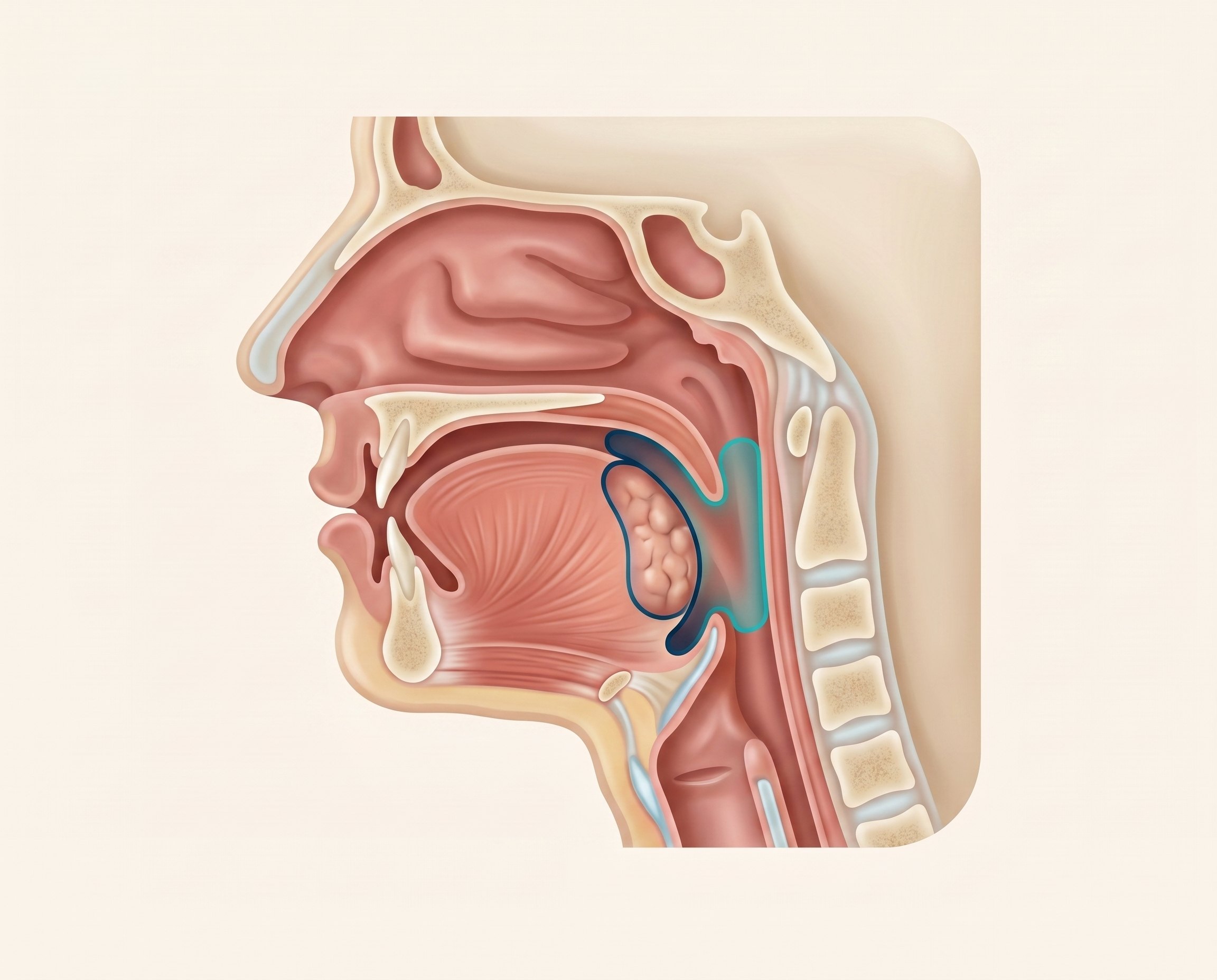
Risk climbs after age 55. Lip cancer is linked to heavy sun exposure. A family history of head/neck cancers raises baseline risk. Any combination warrants closer screening.
Schedule a Screening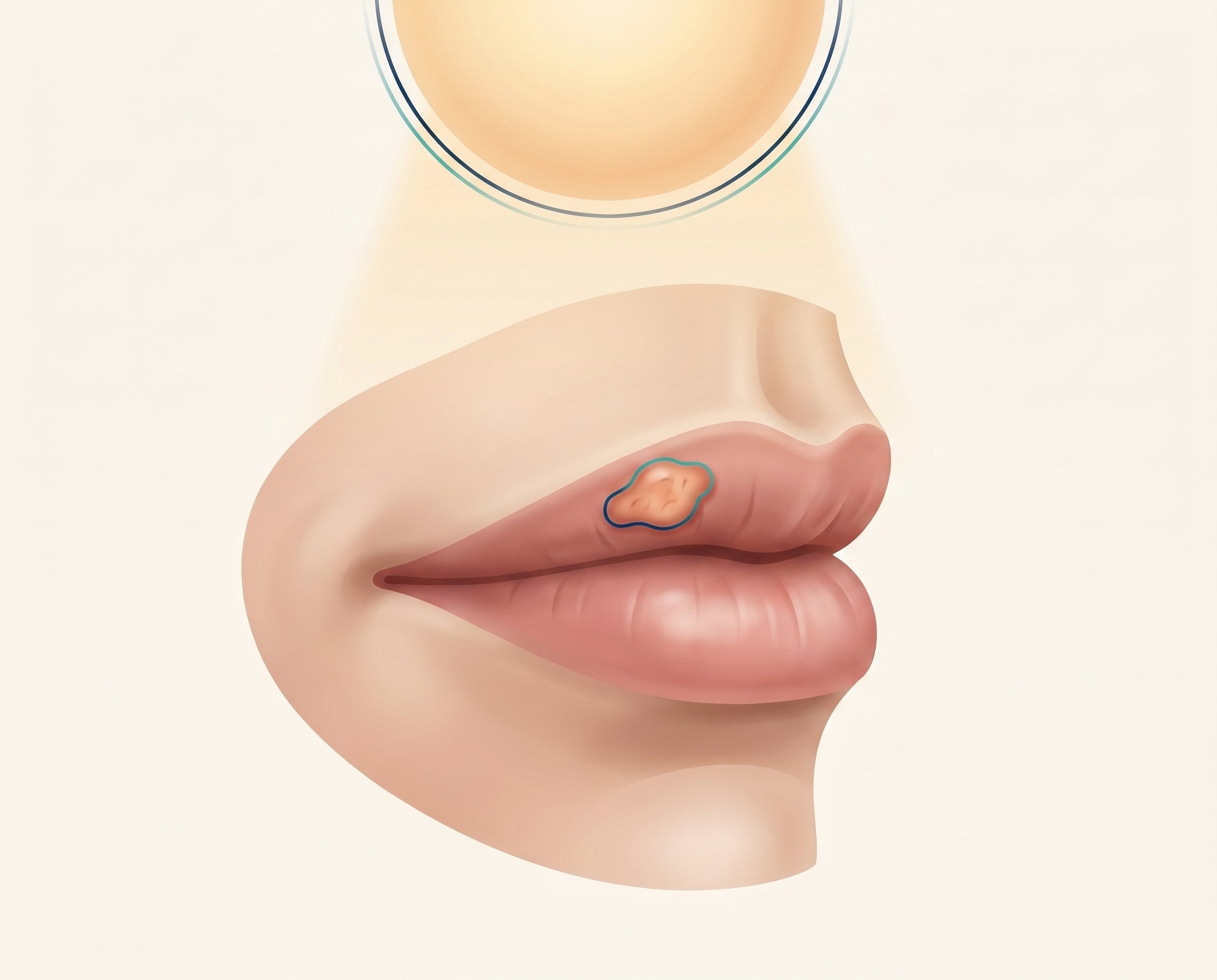
Dr. House asks about tobacco, alcohol, HPV status, sun exposure, and family history. Not to judge — to know which zones to focus on during the examination.
Systematic inspection of the lips, inside of the cheeks, gums, tongue (including underneath), the floor of the mouth, the palate, and the tonsils and back of the throat. She's looking for color changes, patches, ulcers, and asymmetries.
Using gloved fingers, Dr. House palpates the tongue, floor of the mouth, cheeks, and the lymph nodes along your neck and under your jaw — feeling for lumps, thickening, or tender areas that warrant follow-up.
Any tissue changes — even benign-appearing ones — get documented with photographs and notes so we can track them visit over visit. Subtle changes over time are often more telling than a single-point exam.
If something suspicious is found, Dr. House refers you to an oral surgeon or ENT specialist for biopsy and diagnosis — and stays involved through the process. Most findings are benign, but every suspicious lesion deserves a definitive answer.
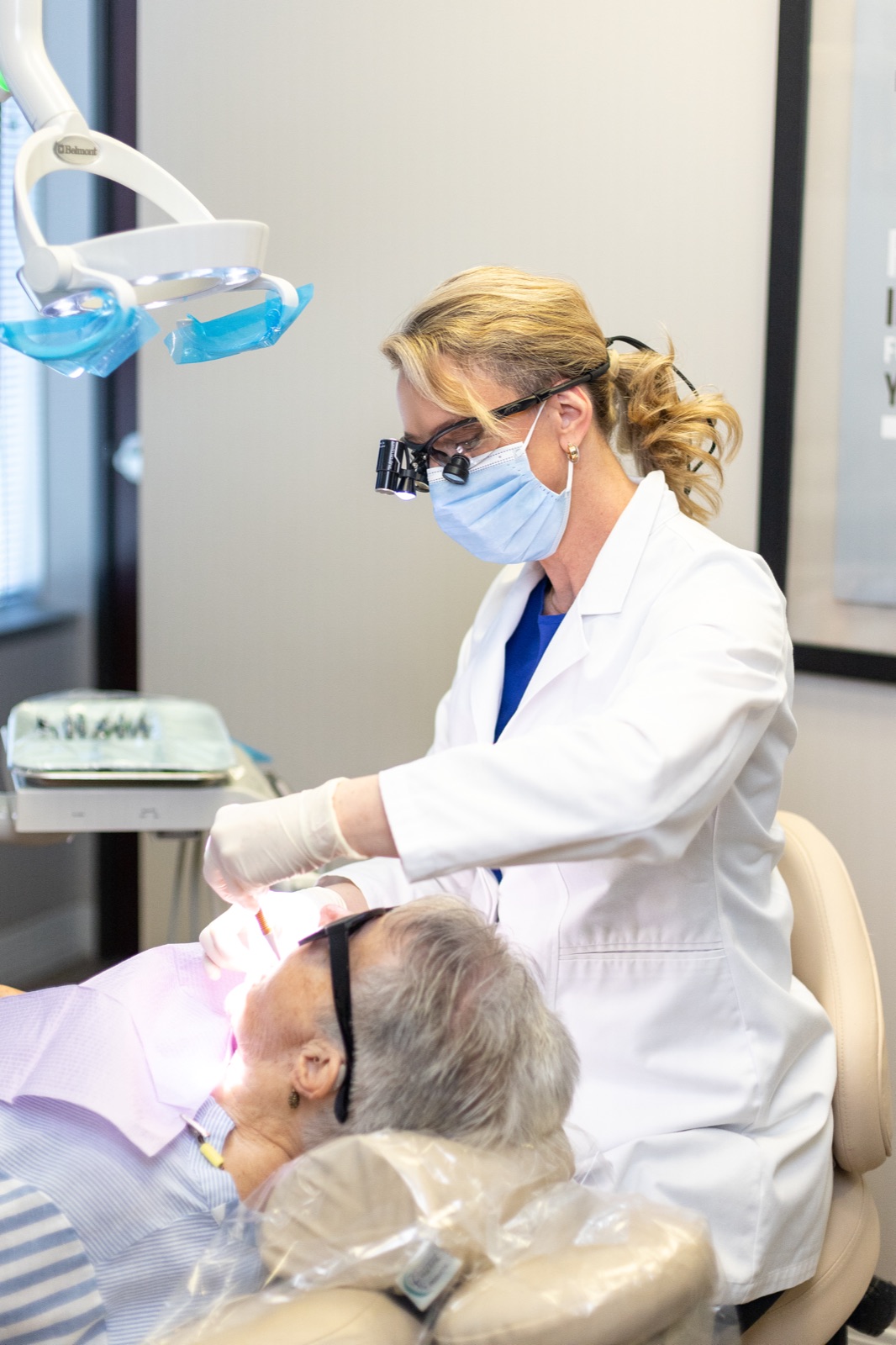
Twenty-four years of looking carefully at things other providers don't check at all.
Oral cancer screening is a standard part of every comprehensive exam at House Dental — not an add-on, not an optional service. Dr. House has referred patients for biopsy who turned out to have early-stage disease caught because the screening caught it first. She screens by the book: systematic, thorough, five minutes, every time. Her thoroughness isn't just about teeth. It's about whole-body dentistry.
Four things that separate a real screening from a cursory “check.”
A real oral cancer screening covers every soft tissue zone in a specific order — not a quick glance during a cleaning. Dr. House screens the same way every time so nothing gets skipped.
Tissue changes are documented with photos and notes at each visit. The value of screening compounds — small changes over months are often the earliest signal, and they only matter if someone is looking for them.
Roughly 25% of oral cancer patients have no identifiable risk factors. That's why Dr. House screens every adult patient, not just the obvious cases. The five minutes are worth it for every mouth that walks in.
If something suspicious shows up, Dr. House doesn't just hand you a referral. She contacts the specialist directly, shares clinical notes and photos, and follows up until you have a definitive answer.
Dr. House found a small patch on the side of my tongue I hadn't even noticed. She referred me to an oral surgeon who biopsied it. It was caught in situ — removed, done. I don't want to think about what would've happened if she hadn't checked that day.
Verified Google ReviewI've had dental exams at other practices for years and nobody ever did a real oral cancer screening. Dr. House does one at every visit and explains what she's looking at. It takes five minutes. I don't know why this isn't standard everywhere.
Verified Google ReviewStraightforward answers to the questions we hear most often.
Yes. About 25 percent of people diagnosed with oral cancer have no known risk factors. That's why Dr. House includes a screening at every comprehensive exam, regardless of risk profile. The screening takes five minutes, and early detection is the difference between a simple procedure and a life-threatening diagnosis.
Dr. House systematically examines your lips, tongue (including underneath), cheeks, gums, palate, throat, and feels for lymph nodes in your neck. She looks for white or red patches, sores that don't heal, lumps, and changes in tissue color or texture. The screening is non-invasive and takes about five minutes.
At least annually as part of your comprehensive dental exam. At House Dental, screening is included in every new patient visit and recommended at every six-month cleaning visit. Higher-risk patients (tobacco users, heavy alcohol users, HPV-positive) may benefit from more frequent screenings.
Most dental insurance plans, including CIGNA and Aetna, cover oral cancer screening as part of a comprehensive exam. There's typically no separate charge when it's bundled into your new patient or preventive visit.
A sore or ulcer that doesn't heal within two weeks, a white or red patch, persistent hoarseness or trouble swallowing, a lump in the neck, or a patch of tissue that changes color or texture. If you notice any of these, don't wait for your next cleaning — call us.
Dr. House refers you to an oral surgeon or ENT specialist for further evaluation and biopsy if needed. She coordinates the referral directly and stays involved through diagnosis. Many tissue changes turn out to be benign — but no suspicious lesion should be ignored.
House Dental is at Camelback and 32nd Street — just east of the Biltmore and a few minutes from Paradise Valley and Scottsdale.
A Patient Story
Oral cancer screening is standard at House Dental because early detection saves lives. Schedule your first visit and we'll include it — along with a complete diagnostic exam, cone beam imaging, and a thorough conversation about what your mouth is telling us.