I Can't Eat the Foods I Love.
When your teeth stop working, your diet changes. When your diet changes, your health changes. Dr. Allison House treats the whole picture so you can get those foods back.
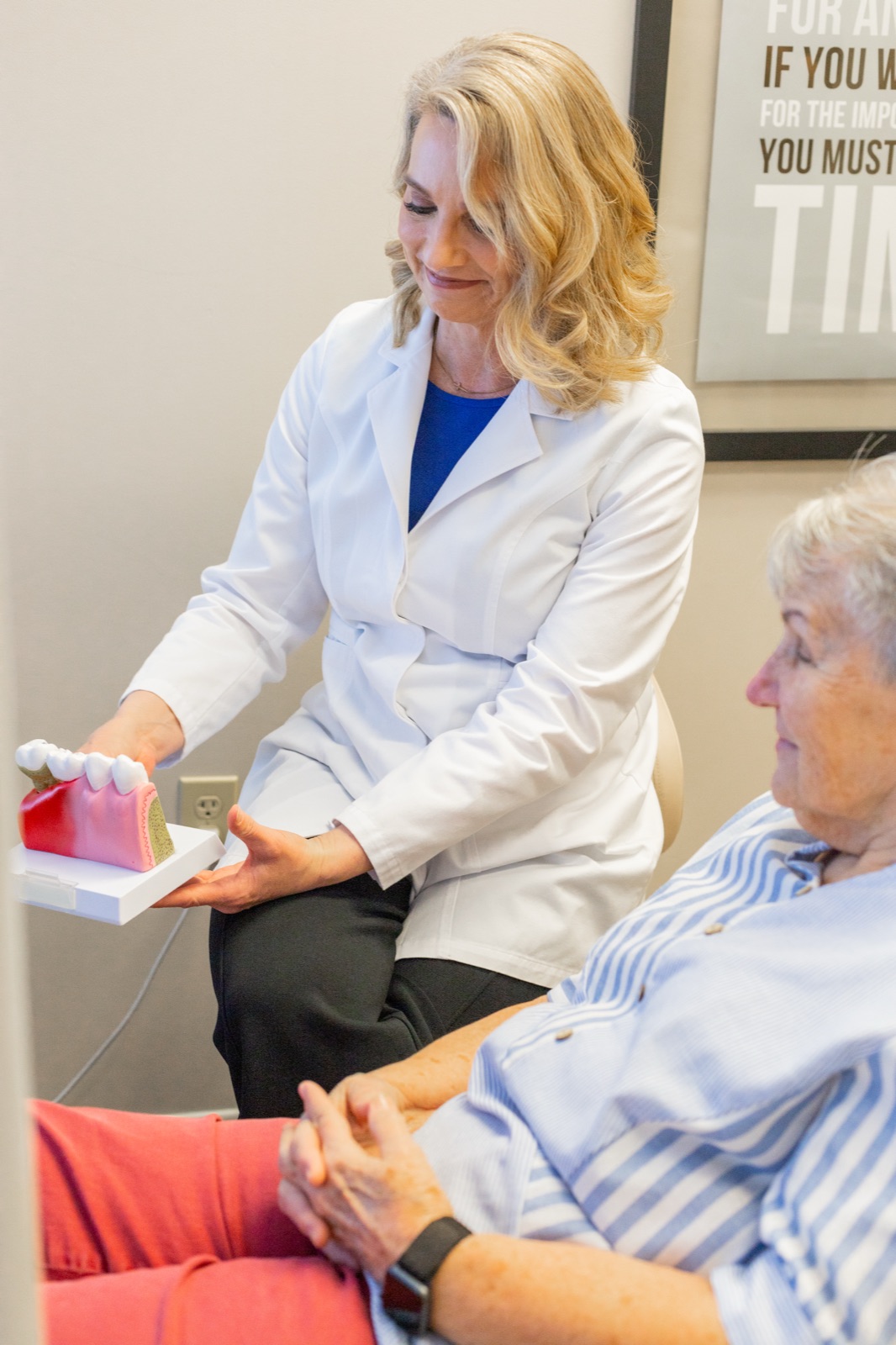
When your teeth stop working, your diet changes. When your diet changes, your health changes. Dr. Allison House treats the whole picture so you can get those foods back.
Most patients do not notice how much they have adjusted until someone asks. The soft-food drift happens in the background, one avoided meal at a time. It can show up in a wide range of ways, including these.
If any of these sound familiar, Dr. House can help you find the root cause and rebuild what you have been missing.
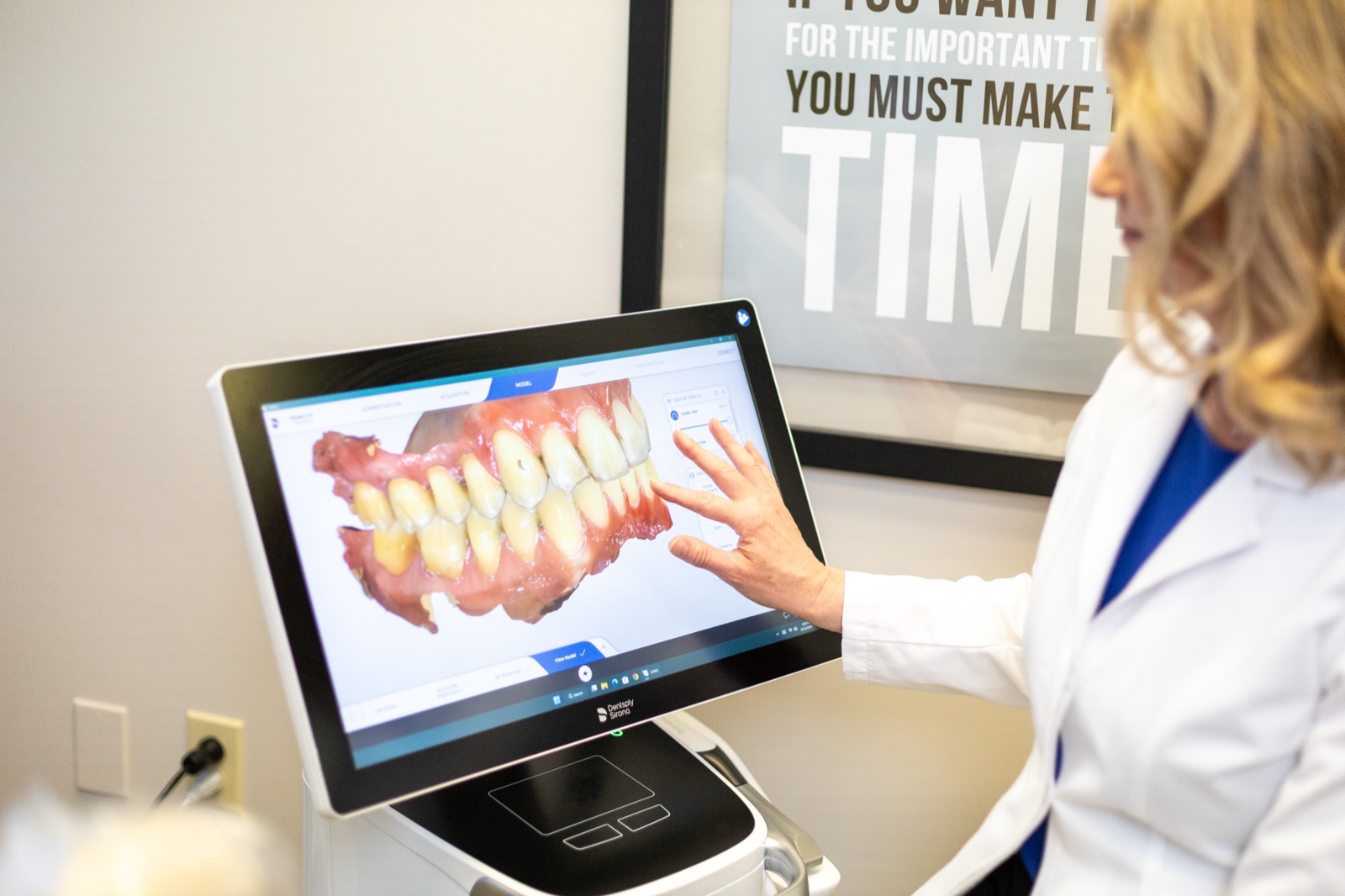
The ability to chew depends on more than a single tooth. It depends on a full arch working together, a stable joint, and a jaw that is in the right position. When any of those elements is compromised, chewing gets harder and the mouth quietly negotiates its way around the problem.
At House Dental in Arcadia, Phoenix, Dr. Allison House evaluates which parts of the system have given out and why. Food is medicine, and your mouth is the beginning of your digestive system, so restoring chewing is not a cosmetic goal. It is a health goal.
Conventional care often focuses on symptom control. Our approach identifies and addresses the underlying biological patterns driving the condition.
Molars do most of the heavy chewing. When one or more are gone, grinding force drops sharply and the remaining teeth take on work they were not designed for.
Traditional dentures that shift during a meal make every bite a calculation. Many patients stop reaching for firm foods long before they admit the dentures are the reason.
Decades of grinding, old fillings, and fractures lower the chewing surface. There is simply less tooth to work with, and food takes more effort to break down.
When the teeth do not meet evenly, chewing becomes inefficient. Some teeth hit too hard, others barely contact, and the whole act of eating gets tiring.
A painful or limited jaw joint turns normal chewing into a chore. Patients unconsciously avoid the motion, which leads to smaller bites and narrower diets.
Saliva is the first step in digestion. When medications reduce it, food is harder to chew, harder to swallow, and more likely to irritate the gums and the teeth.
Even one sensitive tooth can reroute chewing permanently. Foods that triggered pain get avoided, and over time the list of safe foods keeps shrinking.
When the bone supporting the teeth is compromised, chewing force becomes uncomfortable or unsafe. Loose teeth quietly redirect the way you eat.
You did not stop eating the foods you love at random. There is a reason, and it is usually something a thorough diagnosis can find and address.
Your first visit is two hours, and a lot of it is conversation. Dr. House collects cone beam CT scans, full-series X-rays, digital impressions, and photographs. She also asks about your diet, your medications, your sleep, and your medical history, because the mouth does not exist in isolation from the body.
She identifies which teeth are missing, which are damaged, where the bite has shifted, and how well the joint moves. She looks at bone density, soft-tissue health, and the nutrition picture that has developed while you adapted. Nothing is assumed.
The treatment plan addresses the causes, not just the most visible symptom. That might mean replacing missing teeth, rebuilding damaged ones, stabilizing the jaw, or staging the work so it fits your timeline and budget. There is a right moment for everybody.
Every plan is individualized. These are the services most often paired with a diagnostic workup for patients who can't chew food properly.
Replacing missing teeth restores real chewing force. Dr. House plans every implant with cone beam imaging and works with oral surgeon Dr. Becker for precise placement.
When several teeth are gone and conventional dentures are slipping, implant-supported locator dentures snap into place and let you eat foods regular dentures never could.
When damage has been building for years, a coordinated rebuild restores the ability to chew, nourish, and eat the way your body needs.
If your question is not here, call us. We would rather talk it through than sell you on a visit.
Yes. Your mouth is the beginning of your digestive system. When chewing becomes difficult, diet shifts to softer, less nutritious foods, and over time that affects weight, energy, muscle mass, and overall wellness. Restoring the ability to eat well is one of the most meaningful things dental care can do.
It is common, but it is not something you have to accept. Many patients with conventional dentures struggle because the appliance shifts. Implant-supported options like locator dentures restore real chewing force and let you eat foods you have been avoiding.
It is almost never too late. Dr. House regularly treats patients who have quietly adjusted their diet for a decade. Treatment may take time, and the results can be life-changing.
It depends on what your mouth needs. Dr. House designs treatment plans that can be staged over time, so not everything has to happen at once. House Dental accepts CIGNA and Aetna, and financing is available through CareCredit and Proceed Finance.
Your first visit is two hours. Dr. House collects imaging, scans, and a detailed health history, and she talks with you about your diet, your symptoms, and what matters most to you.
A two-hour first visit gives Dr. House the time to see the whole picture, connect the dots between teeth and nutrition, and build a plan that gets the foods you have been missing back on your plate.